
Origins and Heights of the tuk-tuk

A tuk-tuk or more formally known an autorickshaw is a three-wheeled vehicle powered by an engine. This engine can use a variety of fuels being the most recent ones run by electricity. However, the name tuk-tuk can take on many faces since in Madasgascar for example, these vehicles are called “bajaji”, on Sudan “Raksha” and on Thailand, where they are notoriously famous, “samlor khruang”. So, where does in fact the name “tuk-tuk” originate from?
The story is rather simple. Due to the difficulty in pronouncing “samlor khruang”, they started calling them as they sounded. The tuk sound they made as they rode, due to the motor, became their signature name for tourists. They “tuked- tuked” their way forward through the narrow-congested traffic and buzzing streets.
Other question surges: how can these vehicles show up in Thailand, a country still underdevelopment, with little labour and skill in the automobile sector? From what we know, auto-rickshaws first showed up in Japan in the 1930s and were distributed to Southeast Asia as a way to increase their influence on that region.
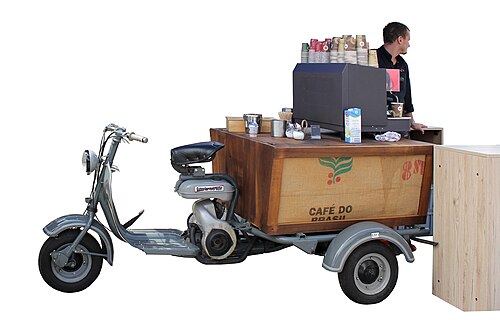
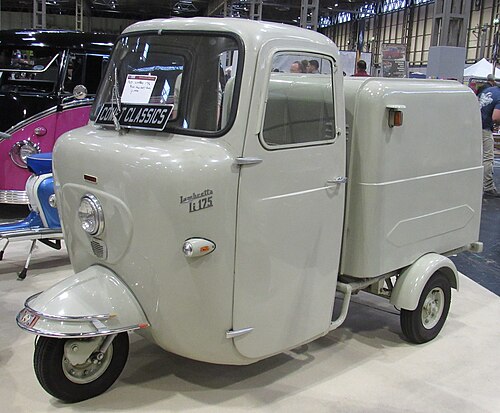
From that point on, a series of developments were made until it reached Italy’s Piaggio, inventor of Vespa, that came up with the idea of building a commercial three–wheeled vehicle to power economic reconstruction after the war.
But perhaps the most fascinating thing about these tiny lightweight vehicles is the race that they participate in called “The Rickshaw Run”. A race that takes place in the Thar desert in Rajasthan and ends in the Himalayan town of Leh. The teams are given the start and finish lines but are otherwise left to their own choices when it comes to what roads they will take or means to reach the end. It’s a 2,300 km journey and it takes place every 4 months.
On 16 September of 2022, a Canadian team (Greg Harris and Priya Singh) and a Swiss team (Michele Daryanani and Nevena Lazarevic) set the world record for the highest altitude at which a tuktuk had ever been ridden, at 5,798 meters.
So, it is not only the steep streets of Lisbon that the tuktuk faces everyday but rather, one can say, metaphorically he was made to climb great heights and pass through narrow roads. It is a vehicle made to drive through adversity all along chanting a tuktuk sound that has become its characteristic name. So, who knows maybe the next great height might be lurking around in Portugal waiting to be faced by a brave tuktuk driver!